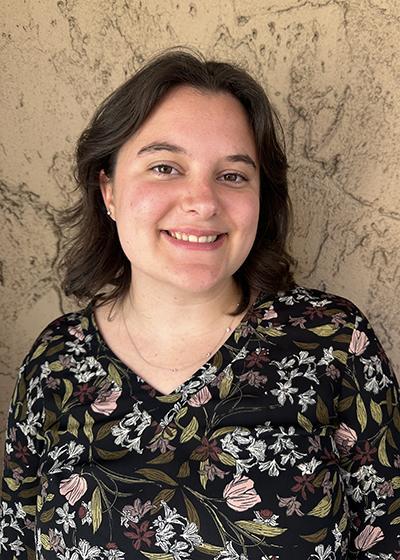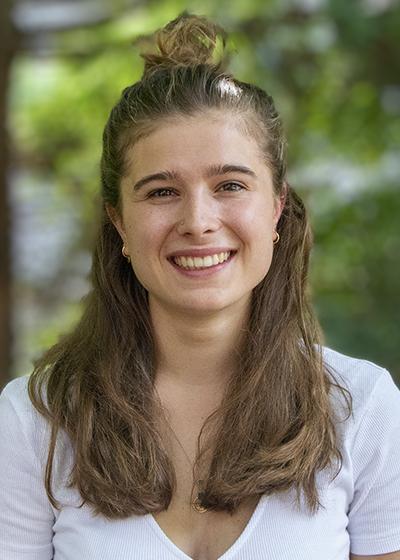
Leonie Strobl
Title
Ph.D. Candidate
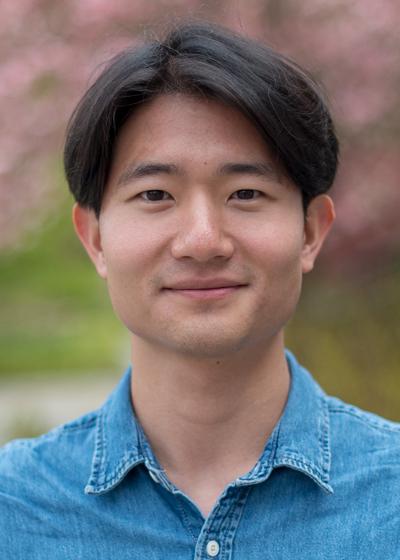
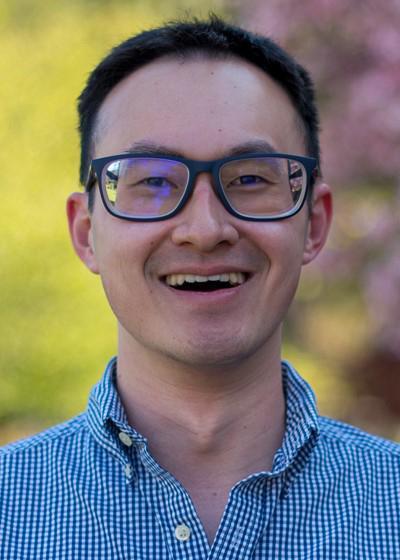
Brandon is a PhD candidate interested in understanding the controls on postfire sediment transport in steep landscapes of Southern California. Prior to Penn State, Brandon worked at the Southern California Coastal Water Research Project where he was in charge of the installation and calibration of stormwater bioretention weirs. He received his B.S. in Environmental Sciences at the University of California Riverside in 2020 researching sediment and microplastic transport in concrete rivers. He enjoys mountain biking, hiking, and reading about the late Roman Republic, and supporting Duck's Donuts #41.

I am interested in granite petrology broadly. I am currently working to understand how felsic magma chemistry evolves at the latest stages of crystallization. My samples come from all over the world and across geologic time. The goal is to eventually apply these findings to the Early Earth to gain new perspectives on the evolution of continental crust from formation to the present. I currently operate the LionChron laser ablation lab, analyzing multiple minerals, rocks, and other materials for my own work and other projects.
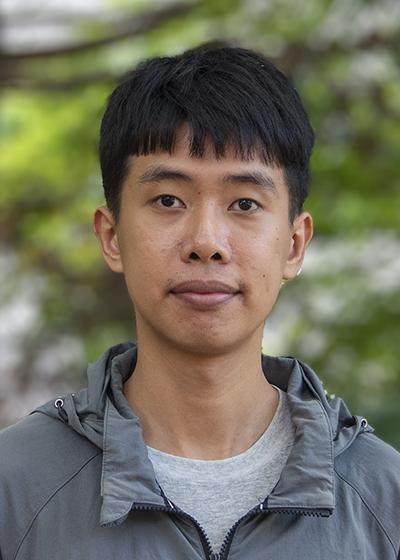
A plant person
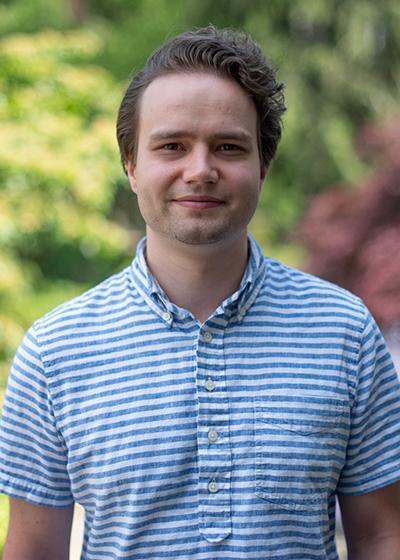
Planetary habitability, water-rock reactions, phosphorus cycling
Timothy S. White, research professor in Penn State’s Earth and Environmental Systems Institute, was elected a Fellow of the Geological Society of America. White is one of 50 newly elected Fellows receiving the honor in recognition of their sustained records of distinguished contributions to the geosciences and the Geological Society of America.
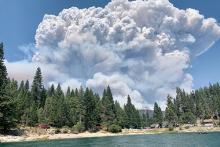
Fires in semi-arid forests in the western United States tended to burn periodically and at low severity until the policy of fire suppression put an end to these low-intensity events and created the conditions for the destructive fires seen today. Understanding the benefits of these periodic fires and the forest structure that they maintained may help land managers and communities avert megafires in the future, according to researchers.