



Bridget Reheard awarded Goldwater Scholarship for 2024-25
Bridget Reheard, undergraduate student in geosciences, has been selected as Goldwater Scholars for 2024-25.Goldwater Scholars are selected for their potential as leaders in the fields of natural sciences, mathematics and engineering.
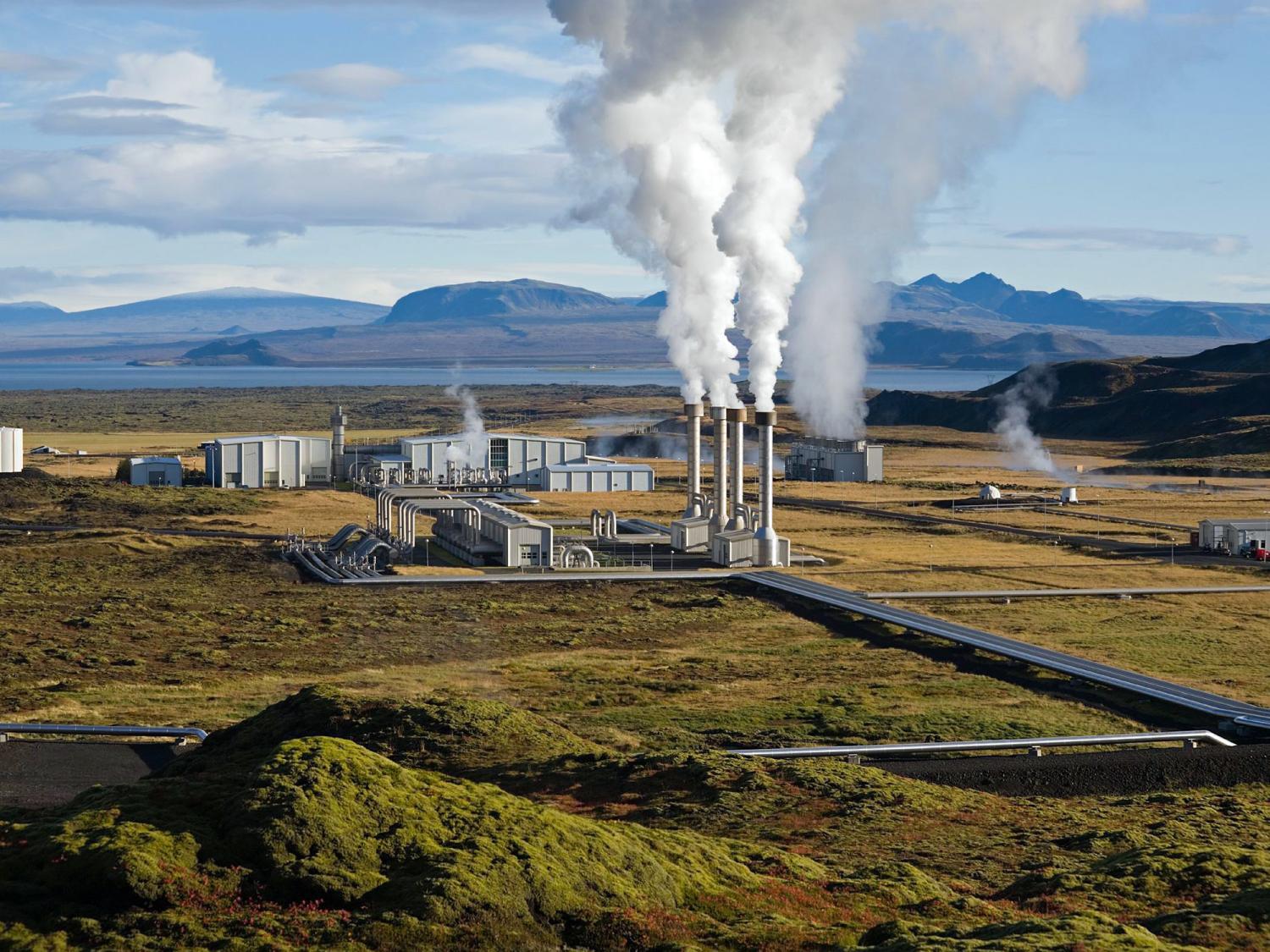
Rock permeability, microquakes link may be a boon for geothermal energy
Researchers report the strength of seismic activity has a direct link to energy extraction efficiency.
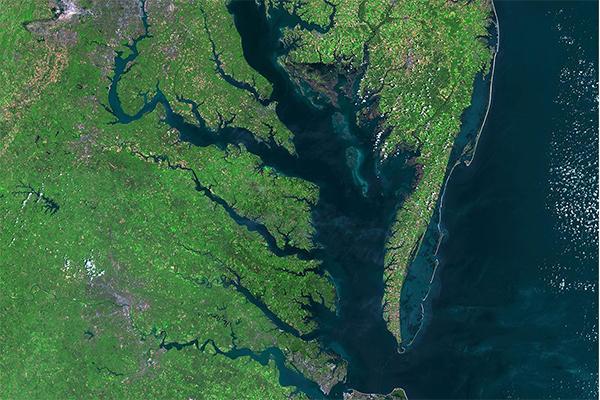
NSF grant awarded to manage salt contamination of tidal river water supplies
Ray Najjar, affiliate professor of geosciences, was recently awarded funding from the U.S. National Science Foundation to develop a new coupled watershed-estuary model that simulates the transport and fate of major salt ions.
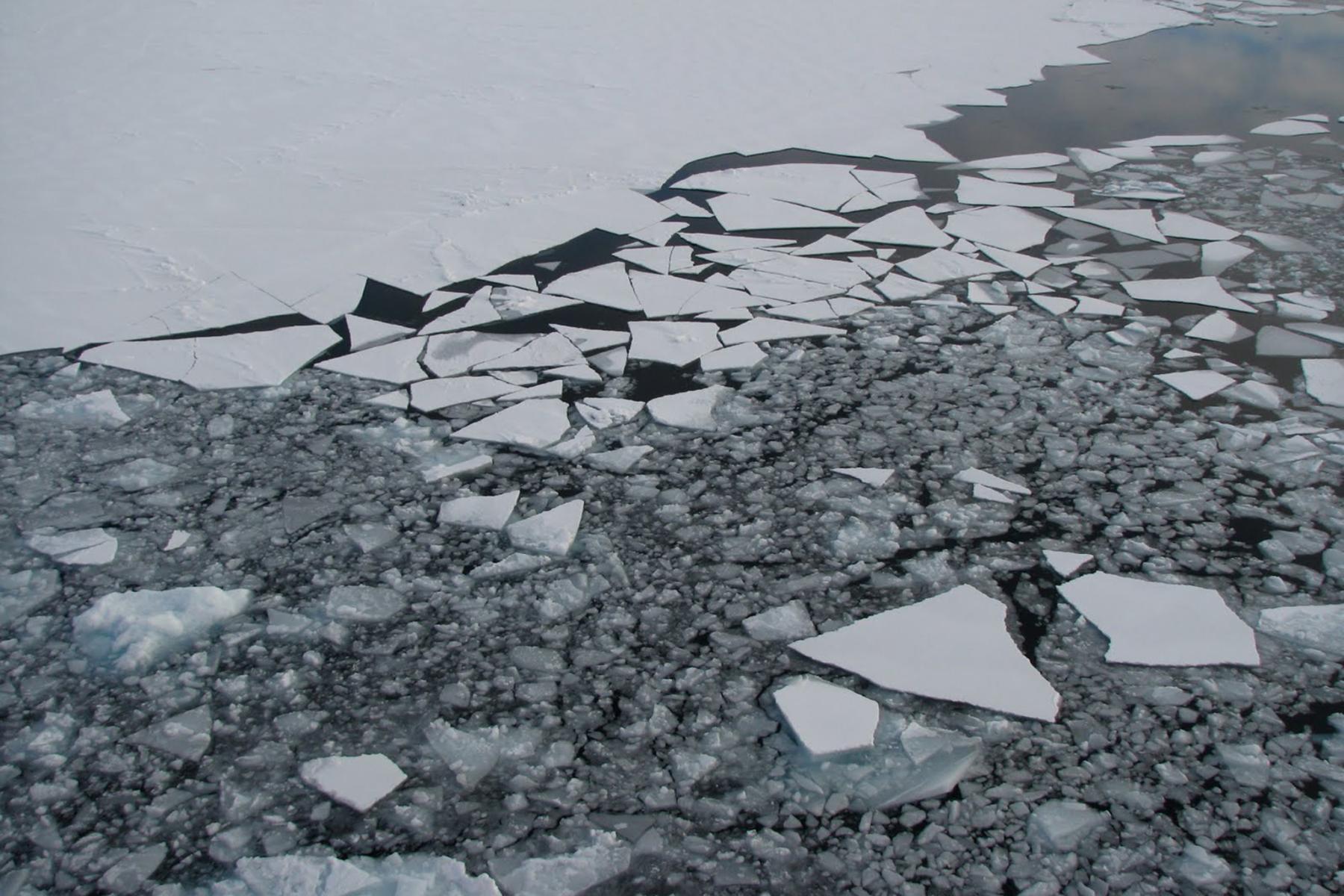
Study explores impacts of Arctic warming on daily weather patterns in the U.S.
Arctic sea ice is shrinking as the world continues to warm, and a new study led by researchers at Penn State may provide a better understanding of how the loss of this ice may impact daily weather in the middle latitudes, like the United States.

Mercury rising: Study sheds new light on ancient volcanoes' environmental impact
Massive volcanic events in Earth’s history that released large amounts of carbon into the atmosphere. A new method to estimate how much and how rapidly carbon was released by the volcanoes could improve our understanding of the climate response.
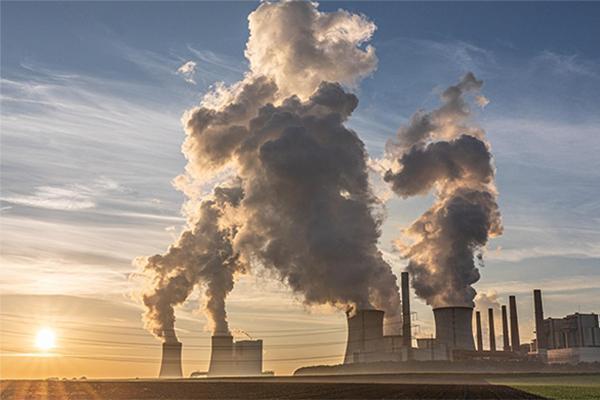
Machine learning to monitor stored CO2 saves cost and time, researchers report
Incorporating field data for the first time, researchers at Penn State demonstrated machine learning can be a powerful and cost-effective tool for monitoring sequestered carbon dioxide (CO2), overcoming a hurdle for the burgeoning technology aimed at combating climate change.

THON 2024 raises record-breaking $16.9 million
THON 2024 raised $16,955,683.63 For the Kids, breaking THON's single-year fundraising record for the third consecutive year.
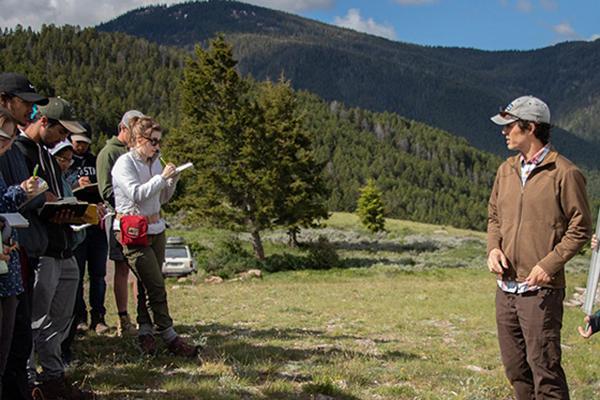
Alumnus' commitment continues to help students attend geosciences field camp
Roman DiBiase, associate professor of geosciences and new head of Penn State's field camp, leads field camp participants in a discussion overlooking the mountains of Wyoming's Grand Teton National Park.

Penn State ranked first for faculty Fulbright Scholars for second straight year
For the second year in a row and the third time in the last five years, Penn State has been the No. 1 producer of Fulbright Scholars. Penn State also is listed among the top-producing institutions for Fulbrights in STEM fields.

Sending a 'We Are!' to Amy Hasan
Amy Hasan, administrative support coordinator in the College of Earth and Mineral Sciences, was recognized with a “We Are!” for going above and beyond for the University.